 Zhengfeng
 Jan 21,2026

In electrical equipment and electronic component connection systems, lead wires, as conductive components, are small in size but carry crucial signal and power transmission functions. Whether it's a sophisticated semiconductor chip or an everyday household appliance, everything relies on the stable power provided by lead wires. However, many people easily confuse lead wires with other wires. Zhengfeng Wire shares the definition and applications of lead wires, and the differences between Lead Wires, Hook Up Wires, Building Wires, and Earth Wires.
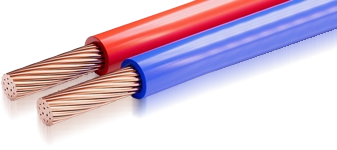
A lead wire, usually translated as lead wire, lead-out wire, or lead wire (Note: "lead wire" is the traditional term; modern lead wires are mostly made of copper, with lead used only in some special applications), is a short conductive wire specifically used to connect electronic components, equipment modules, and external circuits. Its core characteristics are not the material, but rather its "specialization" and "compact size"—its length typically ranges from a few millimeters to tens of centimeters, and its structure usually consists of a conductor and an insulating layer; in some special applications, a shielding layer or protective sheath may be added.
From a structural perspective, lead wire conductors can be divided into single-strand solid conductors and multi-strand stranded conductors: single-strand conductors have higher rigidity and are suitable for connections in fixed positions; multi-strand stranded conductors are more flexible and suitable for scenarios requiring slight bending. The insulation material is selected based on the usage environment, commonly including PVC, silicone, and fluoroplastics. Silicone-insulated leads have excellent temperature resistance and are often used in high-temperature equipment; fluoroplastic-insulated leads are corrosion-resistant and suitable for harsh environments such as chemical plants and outdoor applications.
Lead wire applications cover multiple fields such as electronics, electrical engineering, medical, and aerospace, primarily meeting the needs of "component-level connections." The following are some of the most representative scenarios:
Leads are widely used in the internal wiring of various consumer electronics products. Components such as cameras, sensors, and speakers in smartphones and computers are connected to the motherboard via customized leads, balancing miniaturization and conductivity. In home appliances, the magnetron in a microwave oven, the temperature sensor in a rice cooker, and the compressor in an air conditioner all require leads to connect components to the control board and must be compatible with high-temperature and high-humidity operating environments, placing extremely high demands on the insulation performance of the leads.
Automotive electronic systems have stringent requirements for the reliability and vibration resistance of leads. Engine control units (ECUs), onboard sensors, airbags, and in-vehicle entertainment systems all use leads to construct circuit connections. Due to the continuous vibration and large temperature fluctuations (-40℃ to 125℃) during vehicle operation, automotive lead wires must use aging-resistant insulation materials and high-strength conductors to ensure long-term stable operation.
The core function of an Earth Wire (also known as a protective wire) is safety protection, not signal or power transmission. One end connects to the metal casing of the appliance, and the other end connects to the ground. When the appliance's insulation is damaged and the casing becomes live, the Earth Wire conducts the current to the ground, preventing electric shock. Earth Wires are a fixed yellow-green color, have clearly defined safety standards for conductor cross-sections, and do not participate in normal circuit operation. Lead wires, on the other hand, are core components of the circuit, responsible for conducting current and signals. Their color and specifications are customized according to equipment requirements, and they do not have a standardized protective function.
In short: Lead wires are "component-specific connection wires," installation wires are "general-purpose internal wiring for equipment," building wiring is the "main power supply line for buildings," and Earth wires are "safety protection wires." These four are not interchangeable and must be selected precisely according to the usage scenario.
Guangdong Zhengfeng Wire & Cable Co., Ltd., a high-tech enterprise, focuses on the R&D, production, and sales of lead wires and various types of wires and cables. With its superior quality, customization capabilities, and comprehensive services, it has become the preferred supplier for many companies. Choosing Zhengfeng Wire & Cable offers four core advantages:
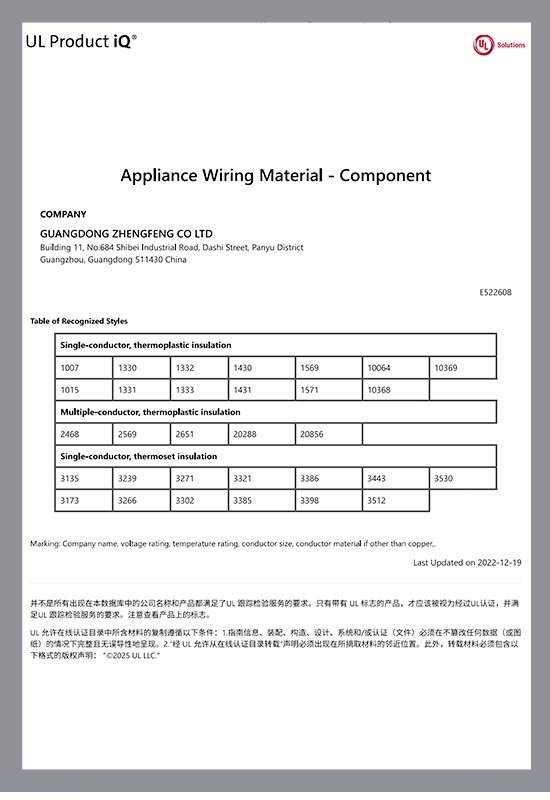
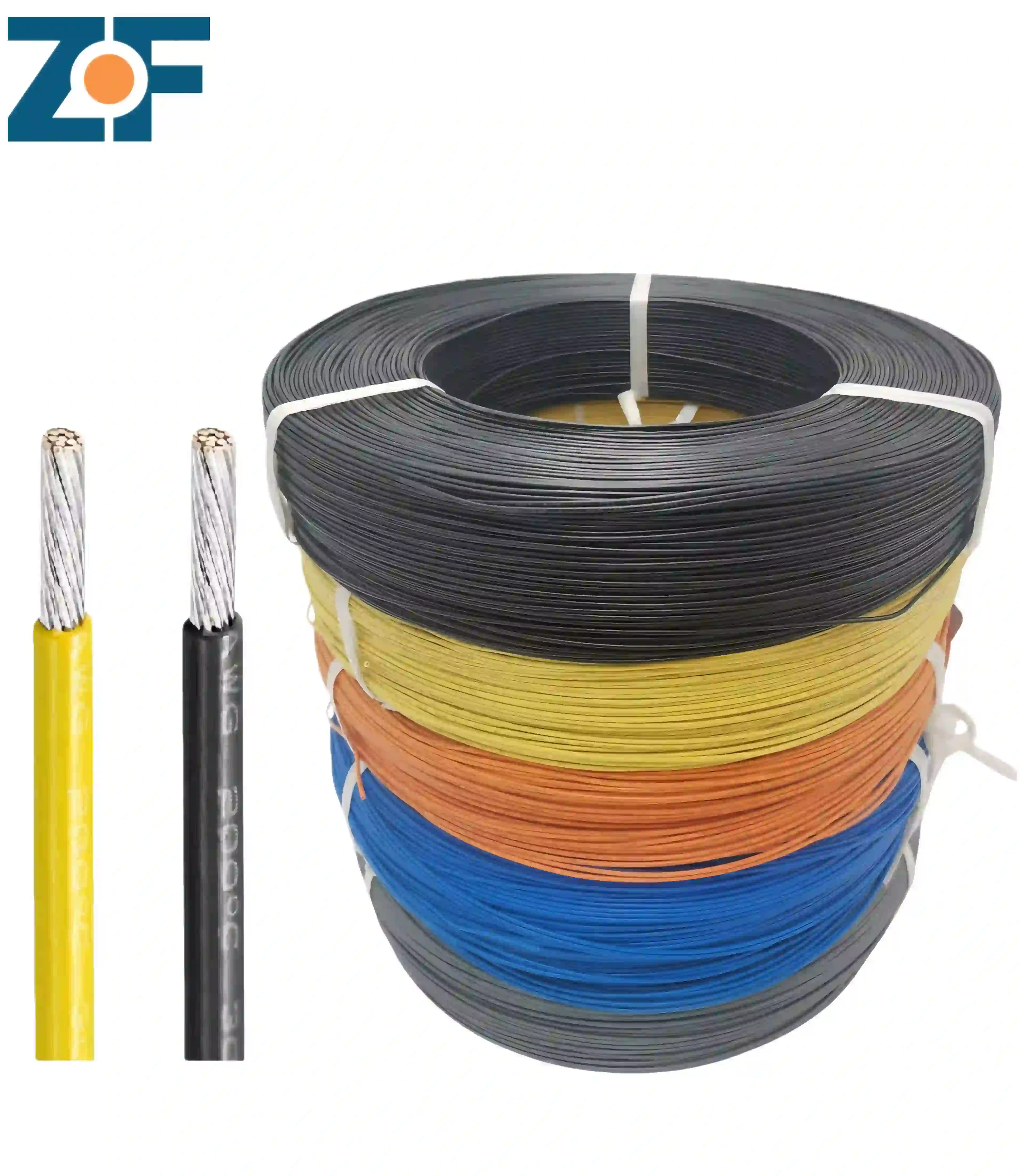
Zhengfeng Wire & Cable offers a wide range of products, including PVC electronic wires, Teflon wires, Silicone high-temperature wires, Low-smoke halogen-free cross-linked irradiated wires, and Flexible power cords. All products have passed UL certification.
Custom length, color, and packaging services are available. This provides more precise matching to equipment characteristics, improving product compatibility and lifespan.
The company has an independent production base and a stable raw material supply chain, effectively controlling production costs and providing customers with high-quality, cost-effective products. Whether for small orders or bulk purchases, we can respond quickly, shorten production cycles, and help customers accelerate product launches.
Zhengfeng Wire boasts an experienced sales and technical team, providing customers with comprehensive services including selection consultation, sample testing, and technical support, helping them avoid selection pitfalls. After product delivery, we offer complete after-sales support. In case of quality issues, we respond quickly and provide solutions to ensure uninterrupted customer production.
For Lead Wire procurement or customized solutions, please contact Guangdong Zhengfeng Cable Technology Co., Ltd.
Tel/WhatsApp/WeChat: +86 138 2929 2517 / +86 147 4930 7879
Email: manager01@wire-cablemanufacturer.com


Products
Navigation
QR Code


Copyright © 2026 Guangdong Zhengfeng Wire&Cable Technology Co., Ltd.