 Zhengfeng
 Nov 04,2026

3.Rated Voltage vs. Test Voltage: Key Differences
4.Why Is Test Voltage Higher Than Rated Voltage?
5.Does a Higher Test Voltage Mean Better Wire Quality?
6.How Are These Values Used in UL Wire Specifications?
7.What Should Buyers Confirm Before Ordering Wire?
8.Common Mistakes When Reading Wire Specifications
9.How Guangdong Zhengfeng Wire&Cable Co., Ltd. Supports Wire Selection
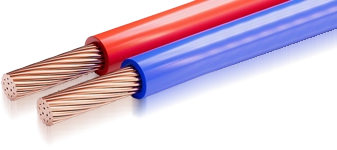
When selecting electrical wires and cables, buyers may come across two different voltage values: rated voltage and test voltage. Although both are related to electrical insulation performance, they describe different things.
A wire rated at 300V, for example, may undergo a dielectric voltage withstand test at a much higher voltage. This does not mean the wire can operate continuously at the higher test voltage.
Understanding this difference helps engineers specify the correct wire, evaluate technical documents, and avoid misunderstandings during purchasing.
Rated voltage is the voltage level assigned to a wire or cable for its intended operating conditions. It indicates the voltage for which the product has been designed and evaluated under the applicable standard.
For example, a wire marked 300V is intended for use within its specified 300V rating, subject to the applicable installation conditions and end-product requirements.
Rated voltage is an important parameter when selecting wire for electrical equipment, appliances, control systems, and electronic assemblies.
However, the voltage rating alone does not determine whether a wire is suitable for every application. Engineers should also consider the applicable standard, insulation material, temperature rating, construction, and installation environment.
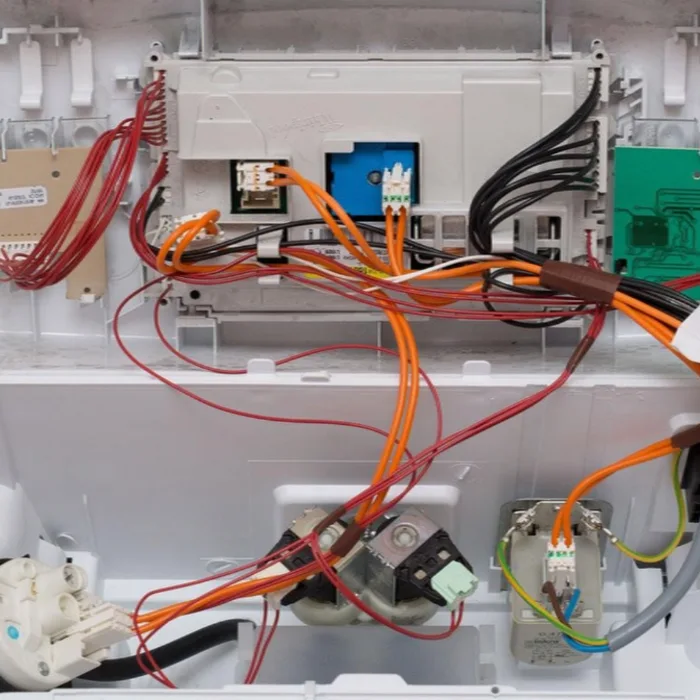
Test voltage is the voltage applied during a specified electrical test to evaluate the insulation's ability to withstand electrical stress.
One common method is the dielectric voltage withstand test, also called the hipot test.
During this test, a specified voltage is applied between conductors or between a conductor and another designated test point. The purpose is to check whether the insulation can withstand the test conditions without electrical breakdown.
The test voltage is usually higher than the rated operating voltage. However, its value and test duration depend on the applicable product standard and test method.
A successful test demonstrates performance under the specified test conditions. It does not establish a higher continuous operating voltage.
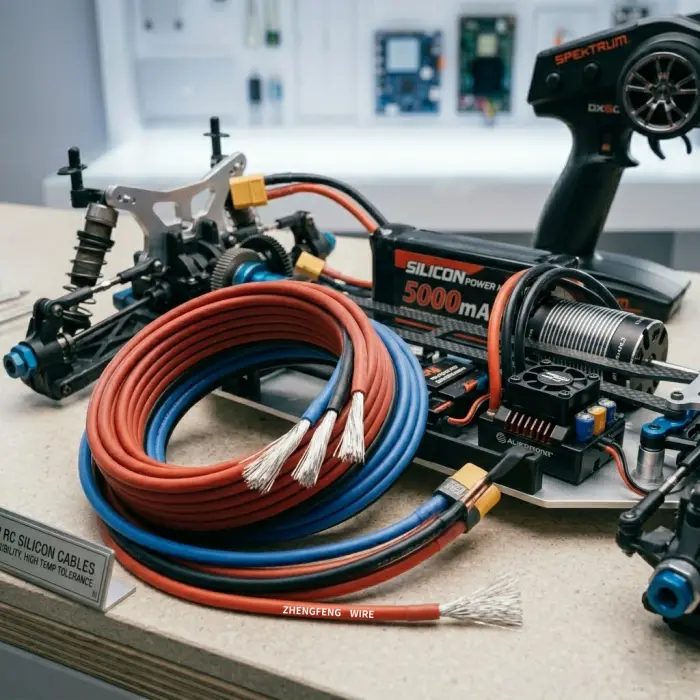
The main difference is what each voltage value represents.
|
Comparison |
Rated Voltage |
Test Voltage |
|
Main purpose |
Defines the voltage rating for intended use |
Evaluates insulation withstand performance |
|
Where it applies |
Product application and selection |
A specified inspection or qualification test |
|
Typical level |
Product-specific operating rating |
Often higher than rated voltage |
|
Duration |
Relevant during intended operation |
Applied for a defined test period |
|
Meaning |
Voltage rating of the wire |
Result of a specified test condition |
In simple terms, rated voltage helps determine where a wire can be used, while test voltage helps evaluate whether its insulation can withstand a particular electrical test.
These two values should never be treated as interchangeable.
Electrical insulation must provide a suitable level of protection under the conditions defined by the product standard.
A dielectric withstand test applies additional electrical stress to evaluate insulation integrity. This helps identify certain insulation weaknesses that may not become apparent under normal operating voltage.
The higher test voltage is therefore part of a controlled test procedure, not an indication that the product is designed for continuous operation at that voltage.
The test voltage, duration, test connections, and acceptance criteria must follow the relevant standard or approved test procedure.
Not necessarily.
A higher test voltage alone does not prove that one wire is better than another. Different wire constructions and product standards may specify different test conditions.
For a meaningful comparison, buyers should check:
Comparing test voltage values without considering these details can lead to incorrect conclusions.
For UL Appliance Wiring Material (AWM), the applicable requirements are covered by UL 758. Individual AWM styles can have different construction and performance ratings, including voltage and temperature ratings.
For this reason, buyers should not assume that every UL wire has the same rated voltage or withstand test requirement.
The correct information should be checked against the specific UL style, certification record, and applicable requirements. UL 758 also distinguishes product ratings from dielectric voltage withstand test requirements.
It is important to remember that UL AWM is intended for specified appliance and equipment wiring applications. It should not automatically be treated as a substitute for a building wire type covered by other installation standards.
When requesting a quotation or approving a wire specification, buyers should provide more than a single voltage value.
The following details can help avoid confusion:
1.Rated voltage: What is the required operating voltage?
2.Product standard: Is the wire required to comply with a particular UL style or another standard?
3.Test requirement: Is a specific dielectric withstand test voltage required?
4.Test duration: How long should the test voltage be applied?
5.Test method: Is the requirement based on AC or DC testing?
6.Application: Will the wire be used inside equipment, in an electrical assembly, or in another application?
If the customer only provides a test voltage, the supplier should clarify the required rated voltage and applicable product standard before confirming the wire construction.
Several misunderstandings can occur when rated voltage and test voltage appear together in technical documents.
Mistake 1: Treating test voltage as operating voltage.
A wire that passes a high-voltage test is not automatically suitable for continuous operation at that voltage.
Mistake 2: Comparing different wire types only by test voltage.
Different product standards may use different test methods and requirements. A higher number does not automatically indicate a better product.
Mistake 3: Ignoring the product standard.
The same voltage value may appear in different product specifications, but the construction and application requirements may not be the same.
Mistake 4: Assuming UL certification covers every application.
A certified wire must still be used within its evaluated ratings and the conditions permitted by the end-product requirements.
Guangdong Zhengfeng Wire&Cable Co., Ltd. manufactures and supplies different types of insulated wires and cables for electrical equipment, appliances, and industrial applications.
Our product range includes PVC insulated wires, silicone rubber wires, FEP insulated wires, and cross-linked polyethylene wires. Different products are designed for different electrical, thermal, and application requirements.
When selecting a wire, customers should provide the required rated voltage, product standard, conductor size, insulation material, and intended application. This information helps clarify the appropriate product specification before quotation and production.
For UL wire projects, confirming the exact UL style and its certified ratings is especially important. The rated voltage and applicable test requirements should be checked against the corresponding product documentation rather than estimated from the test voltage alone.
Rated voltage and test voltage are both important electrical parameters, but they serve different purposes. Rated voltage defines the intended voltage rating of a wire, while test voltage is used to evaluate insulation performance under specified test conditions.
For engineers and purchasing teams, the best approach is to confirm the rated voltage, applicable product standard, and any additional test requirements before selecting a wire. This helps ensure that the selected product matches the actual application rather than relying on a single voltage value.


Products
Navigation
QR Code


Copyright © 2026 Guangdong Zhengfeng Wire&Cable Technology Co., Ltd.