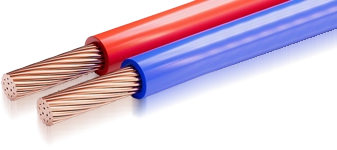
 Zhengfeng
 Sep 28,2026

Content
2. Why Hook-Up Wire Selection Matters
3. Main Factors to Consider When Choosing Hook-Up Wire
4. Hook-Up Wire Conductor Construction
5. Choosing the Right Hook-Up Wire Insulation
6. Understanding UL Hook-Up Wire Styles
7. Hook-Up Wire for Wire Harness Manufacturing
9. How to Choose Hook-Up Wire: A Practical Process
10. Hook-Up Wire Selection Table
11. Common Hook-Up Wire Selection Mistakes
12. How to Specify Hook-Up Wire When Requesting a Quote
13. Why Work With a Hook-Up Wire Manufacturer?
14. Zhengfeng Hook-Up Wire Solutions
15. Frequently Asked Questions About Hook-Up Wire
Hook-up wire is widely used for internal electrical connections in electronic equipment, appliances, control systems, lighting products, industrial equipment and wire harness assemblies. Because different applications require different voltage ratings, temperature ratings, conductor sizes and insulation materials, selecting the right hook-up wire is more than simply choosing a wire gauge.
For engineers, purchasing teams and equipment manufacturers, the correct wire needs to match the electrical requirements, physical environment, certification requirements and installation conditions of the final product.
This hook-up wire selection guide explains the major factors to consider, including UL wire styles, AWG size, voltage rating, temperature rating, insulation materials, conductor construction and application requirements.
Whether you are sourcing UL hook-up wire for electronic equipment, appliance wiring, control panels or wire harness manufacturing, understanding these specifications can help you identify a more suitable wire construction before placing an order.
Hook-up wire is a single-conductor insulated wire commonly used to make internal electrical connections between components, terminals, circuit boards, switches, connectors and other electrical parts.
Unlike multi-conductor cables, hook-up wire normally contains one insulated conductor. Multiple hook-up wires can then be routed together or assembled into a wire harness according to the electrical design of the equipment.
Typical construction includes: Conductor → Insulation → Optional surface marking
The conductor may be made from bare copper or tinned copper, while the insulation can vary according to the intended application.
Common insulation materials include: PVC, Silicone rubber, FEP, XLPE, Other application-specific insulation materials
Hook-up wire is available in different AWG sizes, voltage ratings and temperature ratings. UL-recognized wire styles are also commonly selected according to the construction and intended use of the equipment.
For this reason, “hook-up wire” should be treated as a category of internal wiring products rather than one specific wire specification.
Choosing hook-up wire only by conductor size can create problems if other specifications do not match the application.
For example, two wires may have the same AWG size but different:
A wire suitable for low-voltage electronic equipment may not be the appropriate choice for equipment requiring a higher voltage rating or higher operating temperature.
The selection process should therefore consider the complete electrical and mechanical requirements rather than focusing on one parameter.
A practical hook-up wire selection process normally starts with six major specifications.
The voltage rating indicates the electrical voltage for which the wire construction is designed and certified under the applicable standard.
Common hook-up wire products are available with ratings such as 300V and 600V, depending on the UL style and construction.
When selecting a wire, the voltage requirement of the application should be compared with the wire's specified rating.
Do not assume that two wires with similar appearance have the same voltage capability.
Temperature rating is another important selection factor.
Electrical equipment may generate heat during operation, while some applications may also expose the wire to external heat sources.
Common wire temperature ratings include values such as: 80°C, 105°C, 125°C, 150°C, 200°C.
The actual allowable temperature depends on the specific wire construction and applicable certification.
For high-temperature applications, insulation material becomes particularly important. FEP and silicone-insulated wires, for example, are often considered when higher temperature performance is required.
3.3 AWG Size
AWG, or American Wire Gauge, describes the approximate conductor size.
In general:
Lower AWG number = larger conductor
Higher AWG number = smaller conductor
For example, 16 AWG wire has a larger conductor than 24 AWG wire.
The appropriate AWG size depends on factors such as:
AWG should therefore be selected together with the electrical requirements rather than independently.
For equipment where space is limited, smaller-gauge hook-up wire may provide a more compact wiring solution. For applications requiring greater current-carrying capability, a larger conductor may be required.
The conductor itself can also affect the performance of a hook-up wire.
Stranded conductors consist of multiple small copper strands.
They are commonly selected when the wire needs greater flexibility during installation or assembly.
Typical applications include:
Solid conductors use a single copper conductor.
They can provide a relatively simple construction and are often suitable for fixed internal wiring where repeated bending is not required.
Tinned copper has a tin coating over the copper conductor.
Depending on the construction and application, tinning can provide advantages related to solderability and resistance to surface oxidation.
Tinned copper is frequently considered for applications involving soldered connections, battery wiring and certain electronic assemblies.
The insulation surrounding the conductor determines many of the wire's physical and environmental characteristics.
PVC is widely used for general-purpose electronic and appliance wiring. Advantages can include:
PVC-insulated hook-up wires are commonly used for internal equipment wiring and electronic assemblies.
Silicone insulation is known for its flexibility and temperature performance.
Silicone wire can be considered for applications where the wiring needs to remain flexible or operate in elevated-temperature environments.
Typical applications may include:
For specialized applications, the exact silicone formulation and wire construction should be checked against the required temperature, voltage and certification specifications.
FEP insulation provides strong temperature and chemical resistance characteristics and is commonly used in demanding electrical environments.
At Zhengfeng, FEP-insulated UL1332 wire is available for applications including:
The appropriate wire should always be selected according to the actual UL style and product specification.
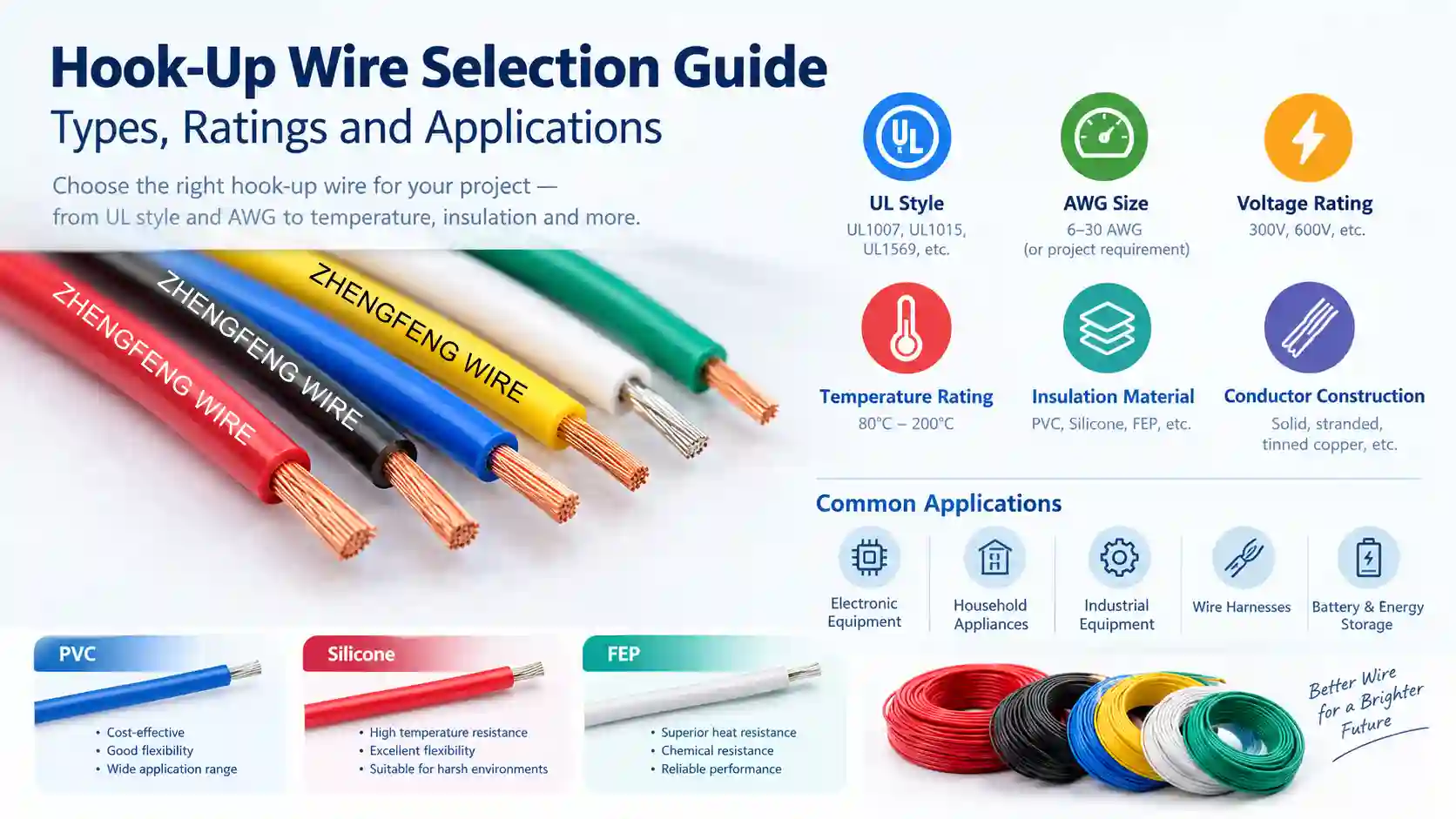
One of the most important points for purchasing teams is that UL hook-up wire is not one single specification.
Different UL wire styles can have different requirements for:
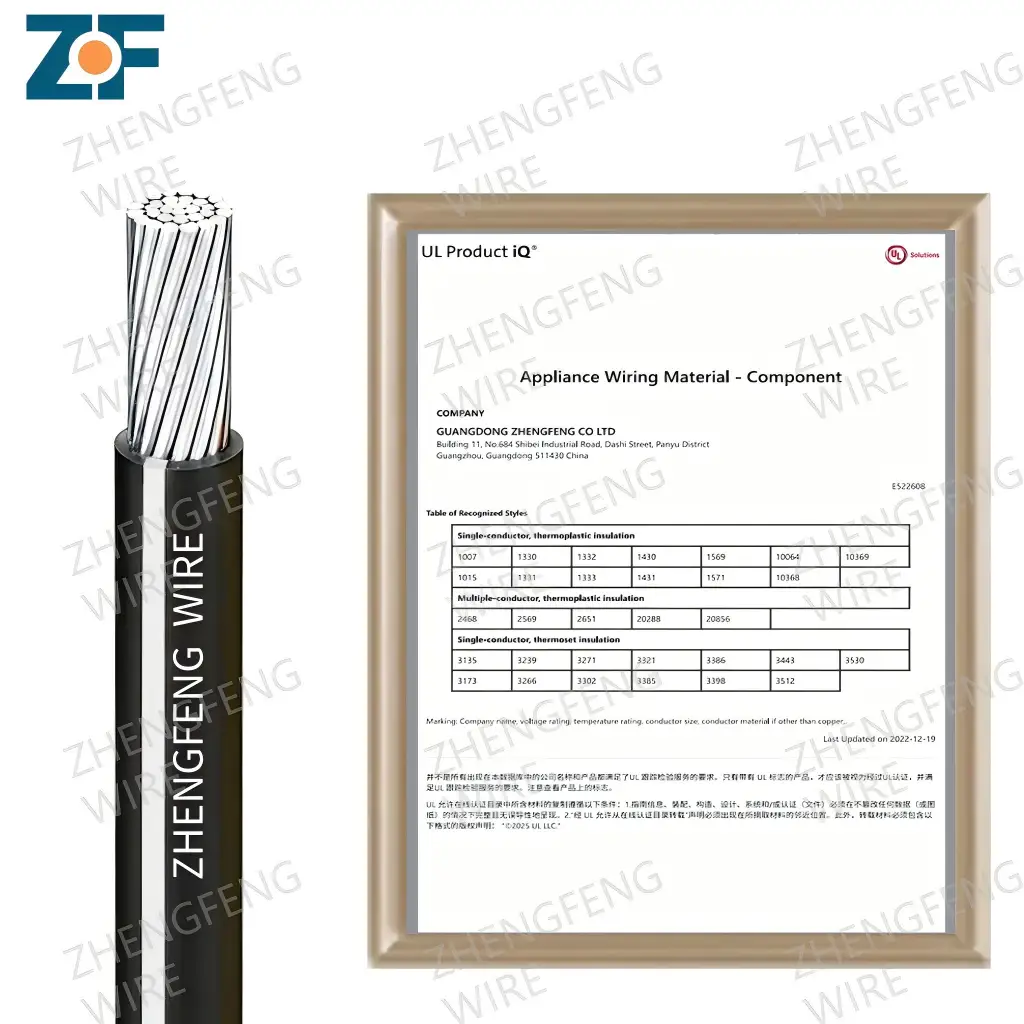
For example, UL1007, UL1015 and UL1569 are all widely recognized hook-up wire styles, but they should not be treated as interchangeable simply because they are all used for internal wiring.
UL1007 is commonly used for internal wiring of electronic equipment and appliances.
UL1015 is widely used for internal electrical wiring where its specified voltage and temperature characteristics are appropriate.
UL1569 hook-up wire is also used for internal wiring applications and is available in a broad range of conductor sizes.
The correct choice depends on the required electrical and mechanical specifications.
For a detailed comparison, see our related guide:
UL1007 vs UL1015 vs UL1061: Which Hook-Up Wire Should You Choose?
This type of comparison is particularly useful when a purchasing specification gives a UL style but the engineering team needs to understand possible alternatives.
Hook-up wire is an important material for many wire harness assemblies.
A harness manufacturer may need to balance:
Electrical performance + flexibility + outside diameter + insulation + certification + assembly requirements
For example, a compact electronic assembly may prioritize smaller outside diameter, while a high-temperature equipment harness may require insulation designed for elevated temperatures.
When selecting hook-up wire for harness manufacturing, it is useful to confirm:
This information can help the wire supplier provide a more appropriate product rather than simply matching the requested AWG.
Hook-up wire can be found in many types of electrical and electronic equipment.
Used for internal connections between:
Hook-up wire can be used for internal wiring in:
Industrial equipment may use hook-up wire for:
Different hook-up wire constructions can be assembled into harnesses for:
Flexible silicone wire and other application-specific constructions may be used for battery connections and energy storage wiring when their electrical and environmental ratings meet the application requirements.
If you are purchasing hook-up wire for a new project, the following process can simplify product selection.
Identify what equipment the wire will be installed in.
For example:
Identify the maximum operating voltage required by the application.
Consider both the ambient temperature and the temperature generated by nearby components.
Choose the conductor size based on electrical requirements, voltage drop, available space and applicable design requirements.
Choose PVC, silicone, FEP or another suitable insulation according to temperature, flexibility and environmental conditions.
If the project requires UL-certified or UL-recognized wiring, confirm the exact UL Style rather than simply requesting “UL wire.”
Check:
Depending on the destination market and application, confirm applicable requirements such as UL/cUL, RoHS and REACH.
A 20 AWG wire is not defined only by its conductor size. Its insulation, voltage rating, temperature rating and UL style can be very different from another 20 AWG wire.
UL1007, UL1015 and UL1569 should not automatically be treated as substitutes. The actual project requirements need to be compared.
A wire installed near a heater, motor or high-temperature component may require a different insulation system than standard internal wiring.
PVC, silicone and FEP have different characteristics. The cheapest or most flexible option is not automatically suitable for every environment.
A certification mark alone does not determine whether a wire is appropriate for a particular application. The actual wire construction and application requirements must also be checked.
For international purchasing, providing complete technical information can significantly reduce back-and-forth communication.
Instead of asking:“Please quote 20 AWG UL wire.”A more useful inquiry would include:
UL Style + AWG + conductor material + strand construction + voltage + temperature + insulation + color + quantity + application
For example:
UL1015, 20 AWG, stranded tinned copper, 600V, 105°C, PVC insulation, black, required quantity: 10,000 meters.
If the exact UL Style is not known, provide the equipment application and operating conditions so the manufacturer can help identify an appropriate construction.
For OEMs, wire harness manufacturers and equipment manufacturers, purchasing directly from a specialized wire manufacturer can provide advantages beyond price.
A qualified manufacturer can help with:
For projects involving multiple wire specifications, working with one manufacturer can also simplify sourcing across different UL wire styles.
Guangdong Zhengfeng Wire & Cable Co., Ltd. manufactures and supplies a broad range of electronic wires and electrical wires for international customers.
Our product range includes UL hook-up wire, PVC electronic wire, silicone wire, FEP wire, irradiated wire and power cord products for different equipment and application requirements.
Representative UL wire products include:
Available constructions can be configured according to product requirements, including different AWG sizes, conductor structures, insulation materials, colors and packaging options.
Zhengfeng supports OEM customers, wire harness manufacturers, equipment manufacturers and electrical product buyers looking for reliable wire supply and application-specific solutions.
Hook-up wire is primarily used for internal electrical connections in electronic equipment, appliances, control systems, lighting equipment, industrial equipment and wire harness assemblies.
Hook-up wire is commonly used as a type of electronic/internal wiring, but the exact product specification depends on its UL style, construction, voltage, temperature and application.
Hook-up wire can be produced in a wide range of AWG sizes. The appropriate gauge depends on current requirements, voltage drop, installation space and equipment design.
UL1007 and UL1015 are different UL wire styles with different specified electrical and construction characteristics. The appropriate selection should be based on the application's required voltage, temperature and construction.
Not automatically. A potential replacement must be evaluated against the original wire's voltage, temperature, construction, certification and equipment requirements.
Generally, stranded construction provides greater flexibility than a comparable solid conductor, making it useful for routing, assembly and applications requiring bending.
The appropriate insulation depends on the required operating temperature and application environment. Silicone and FEP are examples of insulation systems used for applications requiring higher temperature performance.
Yes. Hook-up wire is commonly incorporated into wire harness assemblies for electronic equipment, appliances, industrial equipment and other electrical systems.
Provide the required UL Style, AWG, conductor material, strand construction, voltage, temperature, insulation, color, quantity and application whenever possible.
Depending on the manufacturer and product construction, customization may include conductor configuration, AWG size, insulation color, packaging and other production requirements.
Selecting hook-up wire requires more than choosing an AWG size. UL Style, voltage rating, temperature rating, conductor construction, insulation material, flexibility and application environment all need to be considered together.
For general electronic equipment, PVC-insulated hook-up wire may provide a practical solution. Applications requiring greater flexibility or higher temperature performance may require silicone or FEP insulation. When a project specifies UL wiring, the exact UL Style should also be confirmed rather than using “UL wire” as a generic description.
By matching the wire construction with the actual electrical and environmental requirements, engineers and purchasing teams can reduce specification errors and select a more suitable wiring solution.
Looking for a specific UL hook-up wire, AWG size or insulation material? Contact Zhengfeng Wire & Cable to discuss your application, specifications and customized requirements.
Guangdong Zhengfeng Wire&Cable Co., Ltd.
Tel/WhatsApp/Wechat: +86 13829292517
Tel/WhatsApp/Wechat: +86 14749307879
Email: manager01@wire-cablemanufacturer.com
Website: www.wire-cablemanufacturer.com


Products
Navigation
QR Code


Copyright © 2026 Guangdong Zhengfeng Wire&Cable Technology Co., Ltd.