 Zhengfeng
 Jun 10,2026

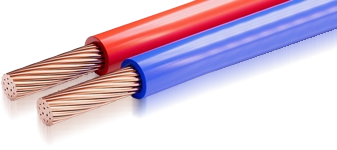
In the field of electrical connections, selecting the right wire often determines the safety, stability, and service life of the entire device. However, faced with increasingly harsh high-temperature environments in electronic devices and complex wiring spaces in precision equipment, ordinary PVC or cross-linked polyethylene wires are clearly no longer sufficient. So, is there a high-performance specialty wire that can withstand extreme temperatures while easily navigating tight spaces? The answer is yes. Today, we will take an in-depth look at a highly representative specialty silicone high-temperature wire — UL3512. Whether you are an experienced electronics engineer, a wire procurement professional, or a technical enthusiast searching for the ideal connecting wire for your project, this informative article will provide valuable insights.
Before diving into the analysis, let's first look at the background of UL3512. It is an AWM (Appliance Wiring Material) electronic wire that is strictly tested and certified according to the US UL standards (UL 758) and UL 1581 implementing standards. Among the many UL-certified electronic wire types, UL3512 stands out for its unique silicone material properties, giving it a significant competitive advantage in terms of high/low temperature resistance, flexibility, and chemical resistance.
As an excellent specialty electronic wire, temperature resistance is undoubtedly its signature capability, and UL3512 performs spectacularly in this regard. Compared to ordinary PVC wires, which can only withstand operating environments up to approximately 70°C to 80°C, and XLPE (cross-linked polyethylene) wires, which are limited to around 90°C, UL3512 completely breaks the temperature constraints of traditional electronic wires. It can operate stably for extended periods in extreme temperatures ranging from -60°C to +200°C. What does this mean? In the bitter cold of northern winters, ordinary wires may become stiff, brittle, or even crack, while UL3512 maintains excellent toughness and flexibility. On the other hand, when electrical equipment operates at full load in scorching environments such as high-temperature furnaces, ovens, or engine compartments, UL3512 — thanks to the superior heat resistance and thermal aging properties of silicone rubber — ensures that the insulation layer does not melt, soften, or lose its protective capabilities due to high temperatures.
Beyond extreme environmental adaptability, reliable electrical performance is equally critical for a qualified wire. UL3512 silicone electronic wire has a rated voltage of 600V and a dielectric test voltage of up to 2000V to 3000V, providing ample safety margin for internal wiring in industrial equipment, household appliances, or various electronic instruments. Furthermore, in terms of flame retardancy, UL3512 passes the rigorous UL VW-1 vertical flame test and the CSA FT1 test. This means that in extreme scenarios such as a short circuit that causes accidental fire, the wire exhibits excellent flame retardance and self-extinguishing properties, minimizing flame spread and thereby reducing the risk of equipment damage and safety incidents.
In many highly integrated devices, robotic joints, or applications requiring repeated bending in tight spaces, the flexibility and mechanical lifespan of the wire are often overlooked but extremely important. UL3512 excels in this regard. It uses highly flexible stranded tinned copper conductors with extremely fine individual strands, significantly reducing the bending radius (some ultra-flexible versions require only 3–5 times the cable diameter). This allows it to be bent repeatedly, even kinked or wrapped around compact, complex mechanical components, without breaking. Additionally, the silicone rubber insulation endows UL3512 with excellent weatherability, mold resistance, ozone resistance, and resistance to strong acids, alkalis, and other chemicals. This makes it suitable not only for clean electronic equipment interiors but also for signal or power connections in harsh conditions such as chemical and metallurgical plants.
As mentioned at the beginning, UL3512 is by no means an ordinary wire; it has broad application prospects. Thanks to its wide temperature range, strong environmental adaptability, and high safety, UL3512 silicone high-temperature wire is widely used across multiple industries:
Although UL3512 delivers outstanding performance, there are still some details to keep in mind during actual wiring and procurement.
First, while UL3512 is resistant to many chemicals, its oil resistance is relatively average in certain oil-contaminated or solvent-rich environments, so careful evaluation is required. Second, when fixedly installed in enclosed, poorly ventilated conduits or raceways, high temperatures above 90°C combined with insufficient air may somewhat affect the mechanical properties of the silicone. Ventilation of the installation environment should be ensured as much as possible. Finally, when selecting specifications, it is advisable to reserve a 20–30% current margin based on actual load conditions. Also, note that the finer the conductor stranding (e.g., 0.08 mm individual strands) and the higher the strand count, the softer the wire and the easier the wiring.
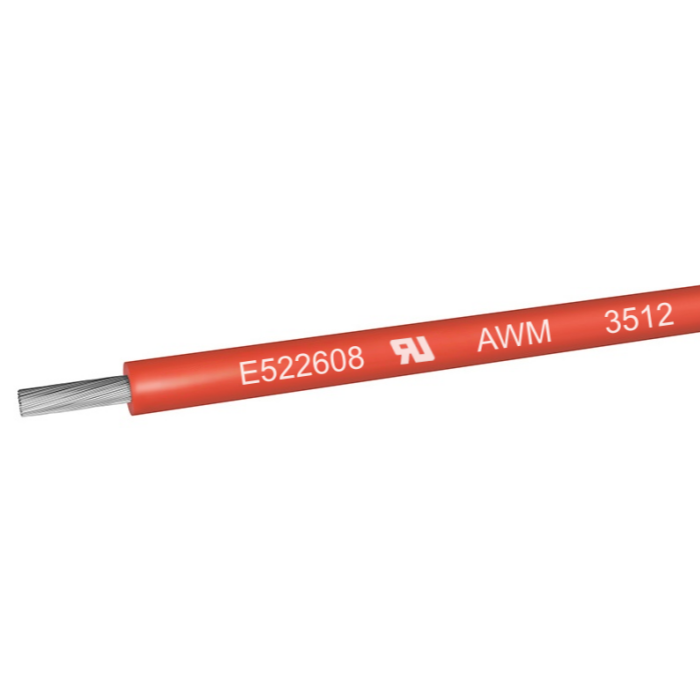
In summary, the UL3512 silicone electronic wire stands out in the high-temperature wire market thanks to its ultra-wide temperature range, high rated voltage, excellent flexibility, and outstanding aging resistance. It is not only a reliable choice for heating equipment and automation devices but also a preferred solution for cutting-edge fields such as new energy, aerospace, and military applications.
When building safe, reliable, and durable electronic equipment, wires are by no means a negligible supporting role. If you are struggling to find a specialty electronic wire that can handle extreme heat and high-flexibility scenarios, consider UL3512 as an ideal candidate. If you have questions about material selection, please contact Guangdong Zhengfeng Wire & Cable Sales Team — we provide cable application solutions.


Products
Navigation
QR Code


Copyright © 2026 Guangdong Zhengfeng Wire&Cable Technology Co., Ltd.