 Zhengfeng
 Jun 09,2026

When selecting a high-performance silicone electrical wire, many engineers focus on insulation materials, temperature ratings, voltage requirements, and flexibility. However, one critical component is often overlooked—the conductor.
The choice between bare copper conductors and tinned copper conductors directly affects a wire's durability, corrosion resistance, solderability, service life, and long-term reliability.
This is especially important for applications that operate in harsh environments, including:
Lithium battery packs
Renewable energy systems
Automotive electronics
Industrial automation equipment
Medical devices
Aerospace assemblies
High-temperature electrical systems
Products such as UL3512 silicone wire, battery cables, and high-flexibility silicone cables almost universally utilize tinned copper conductors rather than bare copper.
So why is tinned copper the preferred conductor for silicone-insulated cables?
This article provides a professional comparison between bare copper and tinned copper conductors, explains their electrical and environmental performance differences, and explores why premium silicone wire manufacturers choose tinned copper for demanding applications.
Understanding Standard Copper Conductors
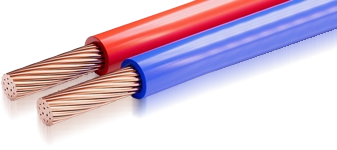
A standard copper conductor, often referred to as bare copper, consists of pure copper strands without any protective metal coating.
Copper has been the preferred conductor material in electrical wiring for over a century because of its excellent electrical conductivity, ductility, and mechanical strength.
Typical conductor grades include:
Electrolytic Tough Pitch (ETP) Copper
Oxygen-Free Copper (OFC)
Annealed Copper
These conductors are widely used in:
Building wiring
Power distribution
Electronic equipment
Control cables
General-purpose electrical wiring
Key Characteristics of Bare Copper
Excellent Conductivity
Copper offers one of the highest electrical conductivity values among commercially available metals.
Conductivity of annealed copper:
100% IACS (International Annealed Copper Standard)
This allows efficient current transmission with minimal resistance and power loss.
High Mechanical Flexibility
Fine-stranded bare copper conductors provide excellent flexibility, making them suitable for moving applications and tight installation spaces.
Cost-Effective
Because no additional plating process is required, bare copper conductors are generally less expensive than tinned copper conductors.
Susceptibility to Oxidation
The primary disadvantage of bare copper is its tendency to oxidize when exposed to:
Moisture
Salt air
Chemicals
Sulfur compounds
Industrial pollutants
Over time, copper oxidation can increase contact resistance and reduce connection reliability.
Definition of Tinned Copper
Tinned copper wire consists of copper strands coated with a thin layer of metallic tin.
The tin coating is applied through electroplating or hot-dip tinning processes.
The conductor core remains copper, preserving excellent electrical performance while adding a protective barrier against environmental degradation.
Tinned copper conductors are commonly used in:
Silicone wire
Marine cables
Battery cables
Solar cables
Aerospace wiring
Medical equipment
High-temperature cable assemblies
Key Characteristics of Tinned Copper
Superior Corrosion Resistance
The tin coating protects copper from direct exposure to oxygen and moisture.
This significantly reduces:
Oxidation
Sulfide formation
Corrosion in humid environments
Saltwater degradation
Improved Solderability
Tin surfaces are easier to solder than oxidized bare copper.
Manufacturers benefit from:
Faster assembly
More reliable solder joints
Lower production defects
Longer Service Life
Because corrosion is minimized, conductor performance remains stable for many years even in demanding applications.
Better High-Temperature Stability
When paired with silicone insulation, tinned copper helps maintain conductor integrity in elevated-temperature environments.
One common misconception is that tinned copper dramatically reduces conductivity.
In reality, the difference is extremely small.
PropertyBare CopperTinned Copper
Conductivity (IACS)100%97%–99%
Electrical ResistanceLowestSlightly Higher
Current Carrying CapacityExcellentExcellent
Voltage DropMinimalMinimal
For most industrial and electronic applications, the conductivity difference is negligible.
The minor reduction in conductivity is often outweighed by the significant increase in reliability and lifespan.
For example, a 14 AWG silicone wire used in battery systems will experience virtually identical electrical performance whether it uses bare copper or tinned copper conductors.
However, the tinned copper version will generally maintain that performance much longer in real-world conditions.
Corrosion Resistance Comparison
Bare Copper Oxidation Process
When exposed to air, copper reacts with oxygen:
Copper → Copper Oxide
Over time, additional reactions can create:
Copper sulfide
Copper carbonate
Surface discoloration
Increased contact resistance
This oxidation layer can affect:
Electrical connections
Crimp terminals
Solder joints
Long-term reliability
Tinned Copper Protection Mechanism
The tin coating acts as a sacrificial protective barrier.
Benefits include:
Reduced oxidation
Enhanced moisture resistance
Better resistance to industrial contaminants
Improved performance in outdoor environments
Marine Environment Example
In marine applications, bare copper conductors can corrode rapidly due to salt exposure.
Tinned copper conductors may provide years of additional service life under identical conditions.
Global manufacturers increasingly prioritize compliance with environmental and safety regulations.
Let's compare bare copper and tinned copper from a compliance perspective.
Compliance FactorBare CopperTinned Copper
RoHS ComplianceYesYes
REACH ComplianceYesYes
Halogen-Free CompatibilityYesYes
Long-Term Environmental StabilityModerateExcellent
RecyclabilityExcellentExcellent
Both conductor types can meet major international environmental standards.
However, tinned copper often supports longer product lifecycles, reducing maintenance requirements and replacement frequency.
This contributes positively to sustainability initiatives and total lifecycle cost reduction.
The Unique Characteristics of Silicone Insulation
Silicone rubber insulation offers several advantages over conventional PVC insulation:
Extreme Temperature Resistance
Typical operating range:
-60°C to +200°C
Some specialized constructions exceed 250°C.
Exceptional Flexibility
Silicone remains flexible even in low-temperature environments.
Flame Resistance
Many silicone cable constructions achieve enhanced fire performance.
Aging Resistance
Silicone maintains mechanical properties for extended periods under thermal stress.
Why Bare Copper Is Not Ideal for Silicone Wire
Silicone insulation is highly flexible and often used in harsh operating environments.
Applications frequently involve:
Heat
Moisture
Vibration
Chemicals
Outdoor exposure
If bare copper were used:
Oxidation could occur over time
Solderability could deteriorate
Contact resistance could increase
Maintenance costs could rise
These risks conflict with the long-service-life expectations of premium silicone cables.
Advantages of Tinned Copper in Silicone Wire
Enhanced Long-Term Reliability
Tinned copper remains stable even after years of exposure to challenging environments.
Better Compatibility with High Temperatures
Silicone insulation and tinned copper work together to withstand demanding thermal conditions.
Improved Manufacturing Efficiency
Cable assemblies become easier to:
Crimp
Solder
Terminate
Greater Resistance to Moisture
Battery systems, outdoor installations, and industrial equipment all benefit from improved corrosion resistance.
Why UL3512 Silicone Wire Uses Tinned Copper
Among the most popular high-temperature cable constructions is UL3512 silicone wire.
This cable is widely used for:
Lithium battery packs
Energy storage systems
Electric vehicles
Power equipment
Industrial machinery
Typical features include:
600V rating
High flexibility
Silicone rubber insulation
Fine-stranded tinned copper conductor
Excellent thermal performance
The use of tinned copper helps ensure:
Consistent conductivity
Corrosion resistance
Reliable crimping
Long service life
For battery manufacturers, reliability is critical because conductor degradation can affect overall system performance.
This is one reason why tinned copper has become the industry standard for premium battery silicone wire.
Applications That Benefit Most from Tinned Copper Silicone Wire
Lithium Battery Systems
Battery manufacturers require:
Flexible conductors
High current capacity
Corrosion resistance
Long service life
Tinned copper silicone cables satisfy all these requirements.
Solar Energy Systems
Outdoor solar installations experience:
UV exposure
Humidity
Temperature fluctuations
Tinned copper helps maintain performance over extended periods.
Automotive Electronics
Vehicle wiring must withstand:
Vibration
Heat
Moisture
Chemical exposure
Tinned copper conductors improve reliability throughout the vehicle lifecycle.
Industrial Automation
Factory environments may contain:
Oil mist
Chemicals
Humidity
Mechanical movement
Tinned copper silicone cables perform exceptionally well under these conditions.
How to Select the Right Silicone Wire
When specifying silicone wire, buyers should evaluate:
Conductor Material
Choose:
✓ Tinned Copper
Instead of:
✗ Bare Copper
for demanding applications.
Wire Gauge
Common sizes include:
24 AWG
20 AWG
18 AWG
16 AWG
14 AWG silicone wire
12 AWG
10 AWG
8 AWG
Certification
Look for:
UL certification
RoHS compliance
REACH compliance
Temperature Rating
Verify operating temperatures meet project requirements.
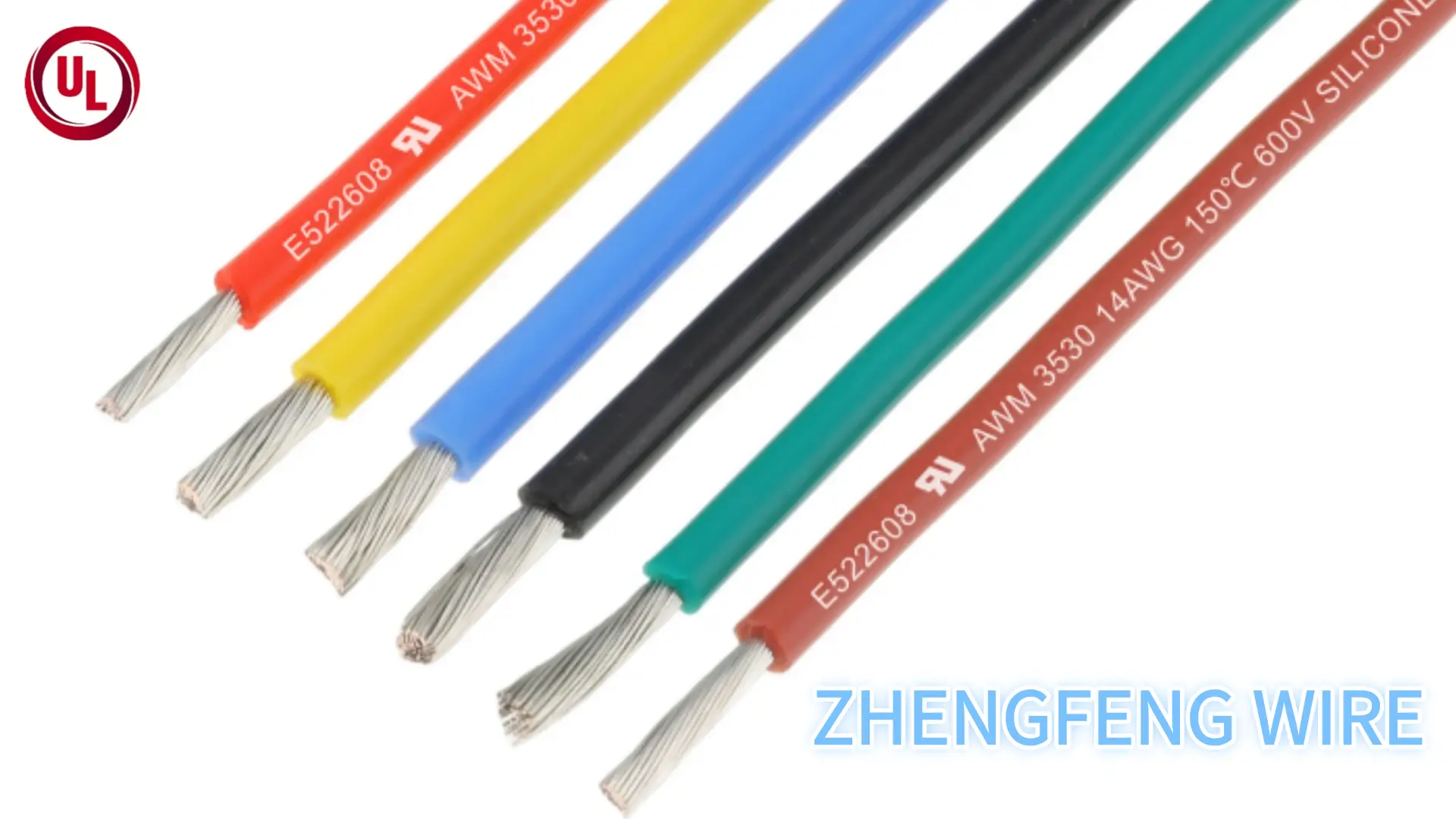
Selecting the right cable supplier is just as important as selecting the right conductor material.
As a professional Chinese cable manufacturer, Guangdong Zhengfeng Cable Technology Co., Ltd. specializes in high-performance silicone insulated wire and custom cable solutions for global OEM customers.
Extensive Silicone Cable Product Range
Main products include:
UL3512 Silicone Wire
UL3135 Silicone Wire
UL3530 Silicone Wire
UL3122 Silicone Wire
Battery Silicone Cable
High-Temperature Silicone Wire
Flexible Power Cable Assemblies
Strong UL Certification Expertise
Zhengfeng focuses on manufacturing products that comply with:
UL standards
RoHS requirements
REACH regulations
This helps OEM customers simplify compliance for international markets.
Advanced Manufacturing Capability
The company operates modern production lines capable of delivering:
Consistent conductor quality
Precision extrusion
Stable electrical performance
Large-volume production capacity
Global Export Experience
Products are supplied to customers across:
North America
Europe
Southeast Asia
Middle East
Australia
This international experience enables efficient support for diverse industry requirements.
Custom Cable Solutions
Beyond standard products, Zhengfeng provides customized solutions including:
Special conductor structures
Custom colors
Multi-core cable designs
Battery harness assemblies
OEM branding services
While bare copper remains an excellent conductor for many standard electrical applications, modern high-performance silicone wire increasingly relies on tinned copper conductors.
The reasons are clear:
✓ Superior corrosion resistance
✓ Improved solderability
✓ Enhanced reliability
✓ Longer service life
✓ Better suitability for harsh environments
✓ Strong compatibility with silicone insulation systems
For applications involving battery systems, renewable energy, industrial automation, automotive electronics, and high-temperature equipment, tinned copper has become the preferred conductor choice.
When sourcing products such as UL3512, silicone electrical wire, 14 AWG silicone wire, or other high-flexibility copper cabled solutions, partnering with an experienced manufacturer can help ensure consistent quality, regulatory compliance, and long-term performance.
Guangdong Zhengfeng Wire&Cable Co., Ltd. combines UL expertise, advanced manufacturing capability, and global export experience to provide reliable silicone cable solutions for OEMs, distributors, and industrial users worldwide.


Products
Navigation
QR Code


Copyright © 2026 Guangdong Zhengfeng Wire&Cable Technology Co., Ltd.