 Zhengfeng
 Dec 26,2025

In the field of electrical wiring, especially in home appliances and lighting systems, SPT wires have become commonly used due to their reliability, flexibility, and compliance with international safety standards. Whether you are a professional electrician, a purchasing manager for an appliance manufacturer, or a DIY enthusiast involved in home renovation projects, understanding the definition, types, and how to choose certified products of SPT cables is crucial. This guide will delve into the core details of SPT cables, including their definition, applicability, differences in types, and purchasing considerations, with a focus on UL-certified products.
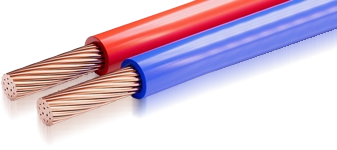
SPT is an abbreviation for "Service Parallel Thermoplastic," accurately summarizing the core characteristics of this type of electrical cable. It is a flexible power cord using parallel conductors (usually 2 or 3 cores) wrapped in an outer layer of thermoplastic insulation, most commonly polyvinyl chloride (PVC). The parallel structure—the conductors arranged side-by-side rather than twisted—earns it the nickname "zip cord" because the two conductors can be easily separated as needed.
The basic structure of an SPT cable consists of annealed stranded copper conductors and a PVC insulation layer. The copper conductors ensure excellent conductivity and flexibility, making the cable suitable for scenarios requiring frequent bending or movement. The PVC insulation layer effectively prevents electric shock, provides heat insulation, and resists abrasion. Common colors include black, white, brown, and green. All standard SPT cables are rated for 300 volts (V) and can withstand a maximum operating temperature of 105°C, with some models rated for 60°C. They also meet stringent flame retardant requirements, having passed UL VW-1 and CSA FT1 vertical burning tests.
SPT cables are suitable for a wide range of electrical applications, from light to heavy loads, primarily in residential, commercial, and industrial settings. Core applications include:
SPT cables are widely used in luminaires (table lamps, floor lamps, wall lamps), pendant lights, and decorative lighting (such as Christmas lights and LED string lights). Their flexibility facilitates routing through light poles and luminaire wiring, especially the thinner-insulated SPT-1 model.
Low-power (less than 10 amps) devices rely on SPT cables, including radios, clocks, humidifiers, small fans, toasters, and coffee makers. SPT-1 and SPT-2 are the primary choices for these applications due to their lightweight design and cost-effectiveness.
High-performance SPT-3 cables are designed for heavy load applications, suitable for appliances such as refrigerators, room air conditioners, and industrial cooling equipment. Their thicker insulation and larger conductor options allow them to withstand higher current loads (up to 30 amps for the 10 AWG model) and withstand harsh environments, including humid conditions.
Due to their ease of use, SPT cables are popular among enthusiasts and are suitable for low-voltage DIY projects such as custom lighting fixtures and small electronic devices.
Commercial and Industrial Equipment: In commercial settings, SPT cables are used for audio equipment (speakers) and lightweight indoor extension cords; industrial applications include control systems and medium-power demand equipment, where flexibility and reliability are paramount.
SPT-1, SPT-2, and SPT-3 are the three main categories of SPT cables. They follow the same core design principles but differ significantly in structure and performance parameters. The following will analyze their commonalities and specialized differences in detail.
Despite the differences, all three SPT models adhere to the same basic standards and design characteristics:
Conductor Material and Structure: All use stranded bare copper (or annealed copper) conductors, which offer superior conductivity and flexibility compared to solid copper. The stranded structure (e.g., 41/0.16 mm for 18 AWG conductors) enhances resistance to repeated bending fatigue.
Insulation Material: PVC is the standard insulation material for all SPT cables, possessing excellent electrical insulation, heat resistance, and resistance to UV rays, water, oil, acids, and alkalis.
Safety and Certification Standards: All comply with UL 62 and CSA 22.2 standards, ensuring compliance with North American safety requirements; passed UL VW-1 and CSA FT1 flammability tests, possessing self-extinguishing properties and extremely low fire risk.
Basic Electrical Parameters: Most models are rated at 300V AC, with a maximum operating temperature of 105°C.
Parallel Construction: All maintain the signature parallel conductor layout for easy installation and disconnection as needed.
| Style |
Conductor |
Grounding Wire | Insulation |
Maximum Resistance at 20℃ |
||||
| AWG |
No./mm |
Diamater (mm) |
Cores |
OD |
Thickness (mm) |
Diamater (mm) |
||
|
SPT-1 |
18 |
41/0.16 |
1.18 |
2 |
- |
0.76 |
2.70*5.40 |
22.4 |
|
3 |
2.0 |
0.76 |
2.70*8.10 |
|||||
|
SPT-2 |
18 |
41/0.16 |
1.18 |
2 |
- |
1.14 |
3.50*7.00 |
22.4 |
|
3 |
2.0 |
1.14 |
3.50*9.50 |
|||||
|
SPT-3 |
18 |
41/0.16 |
1.18 |
2 |
- |
1.52 |
4.30*8.60 |
22.4 |
|
3 |
2.0 |
1.52 |
4.30*11.40 |
|||||
Key Professional Note: Insulation thickness directly affects the cable's abrasion resistance and durability. SPT-1's thin insulation layer makes it more flexible, allowing it to pass through narrow spaces (such as lighting fixture conduits), but it has poor abrasion resistance. SPT-3's thick insulation layer (60 mils) effectively resists physical damage and moisture, but it is less flexible and more difficult to install in confined spaces. In addition, SPT-3 supports larger conductor gauges (minimum 10 AWG), and can withstand significantly higher current loads compared to SPT-1 and SPT-2, which are limited to smaller wire gauges.
UL certification is a key benchmark for the safety and reliability of SPT cables, especially for products sold or used in North America. UL-certified cables undergo rigorous electrical safety, flame retardancy, and material durability testing to ensure compliance with high industry standards. We need to verify the authenticity of the product in two steps.
If you have any further questions, please contact the Guangdong Zhengfeng Wire&Cable sales team immediately. We offer 24-hour service to provide you with answers to your UL knowledge and cable application questions.
Guangdong Zhengfeng Wire&Cable Co., Ltd.
Tel/WhatsApp/WeChat: +86 138 2929 2517 / +86 147 4930 7879
Email: manager01@wire-cablemanufacturer.com


Products
Navigation
QR Code


Copyright © 2026 Guangdong Zhengfeng Wire&Cable Technology Co., Ltd.