Blog
News
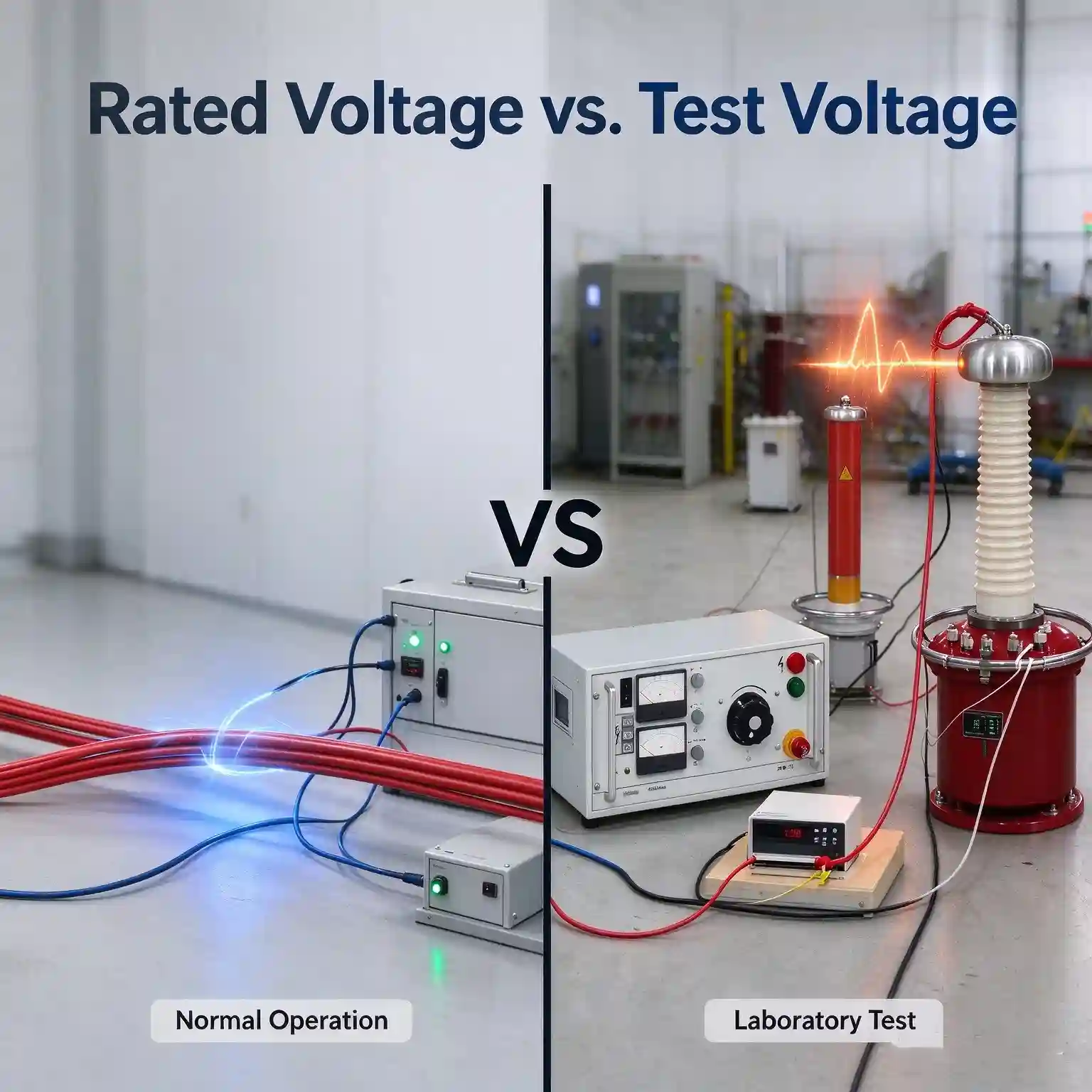
Learn the difference between rated voltage and test voltage in electrical wires, including hipot testing, UL ratings, and selection tips.
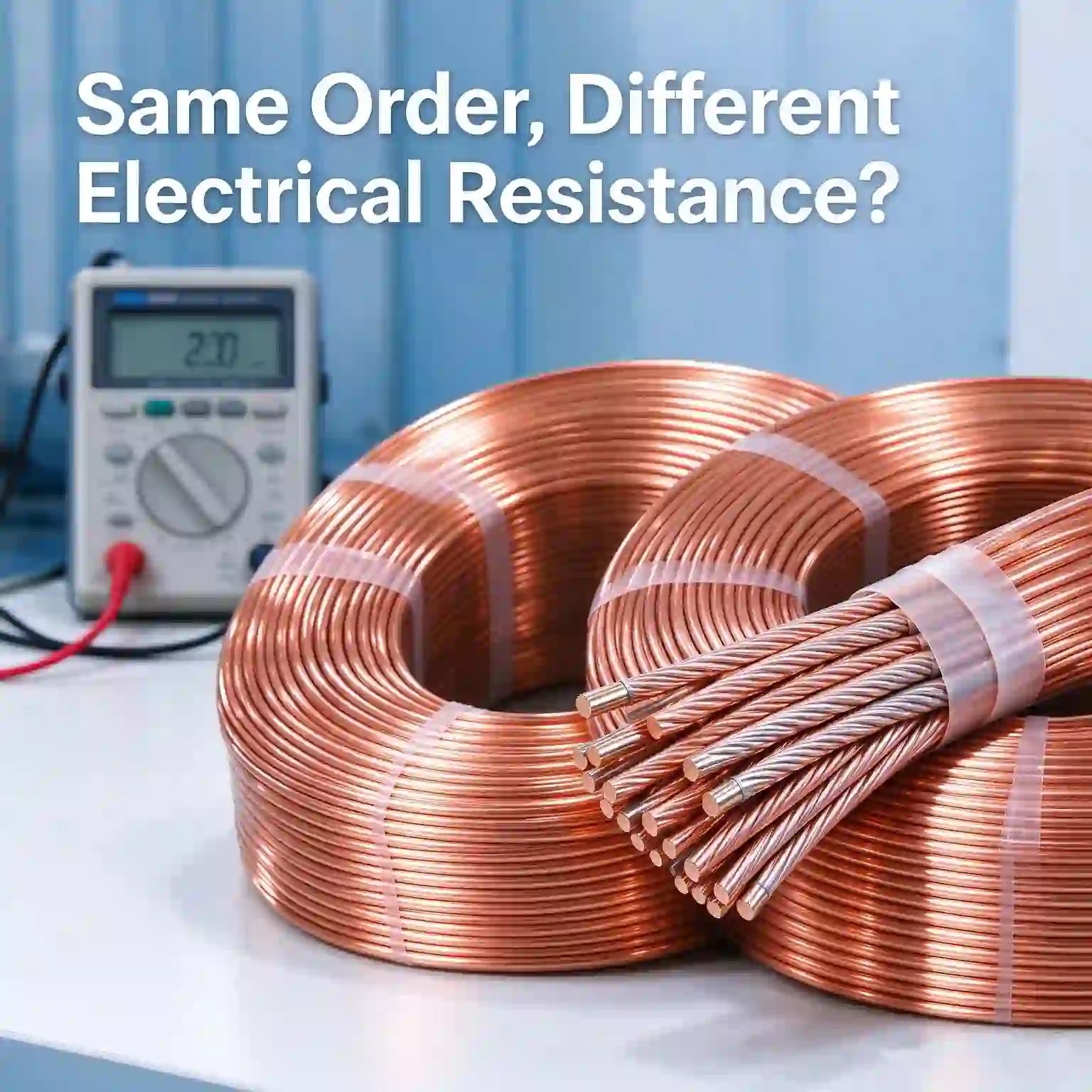
Learn why wire resistance varies between rolls, what affects copper conductor readings, and how manufacturers test resistance for consistent quality.
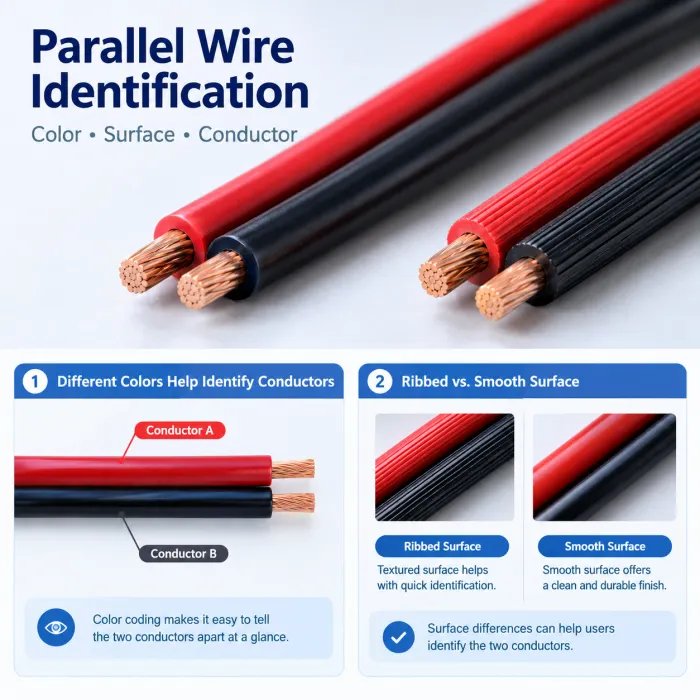
Parallel wire can use different insulation colors, ribbed surfaces, or other identification features to help distinguish its conductors. These design choices can support assembly and inspection, but their meaning must be defined by the product specification and intended application.For buyers, confirming the required colors, surface features, and conductor identification scheme before production is the best way to ensure that the supplied wire matches the intended design.
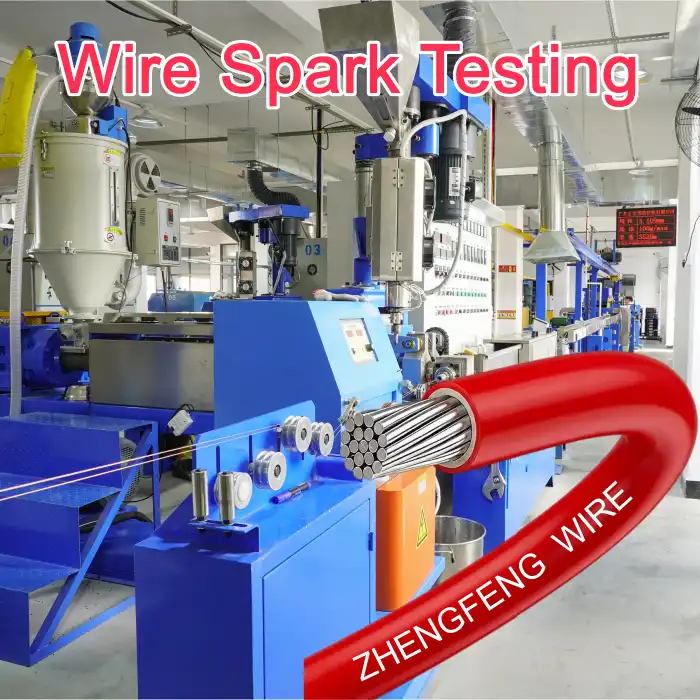
Spark testing is a useful tool for detecting certain insulation defects during wire manufacturing. Its online operation allows manufacturers to monitor moving wire and respond to detectable insulation discontinuities during production.However, it is only one part of quality control. Its results must be understood within the limits of the test method and combined with other inspections when required.For wire buyers, understanding what spark testing can—and cannot—confirm helps make supplier discussions more precise and supports better evaluation of the manufacturer's inspection process.
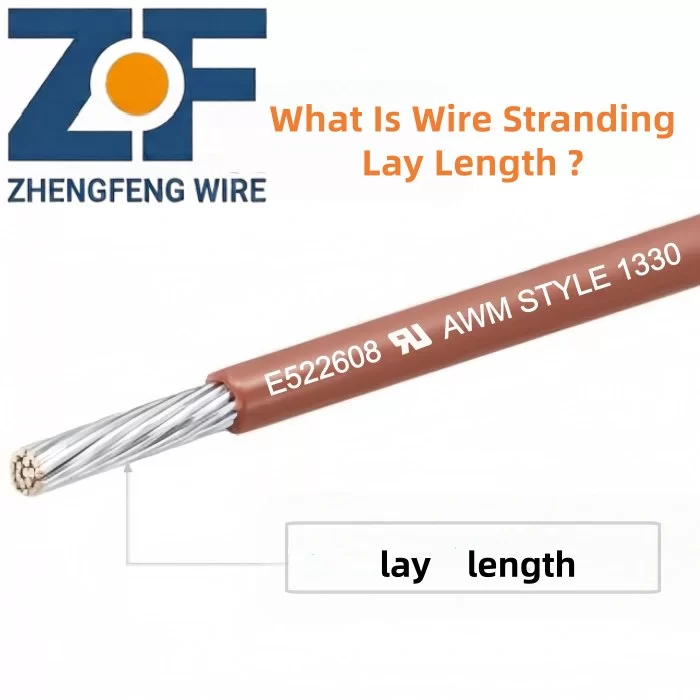
Lay length is a small but meaningful part of stranded-conductor design. It affects how strands follow their helical paths and can influence flexibility, conductor geometry, and material usage.However, it should never be evaluated in isolation. Strand construction, application requirements, manufacturing controls, and applicable standards all contribute to the final result.For engineers and buyers, understanding lay length makes technical discussions with wire manufacturers more precise. For manufacturers, controlling the parameter appropriately helps maintain consistency with the intended conductor construction
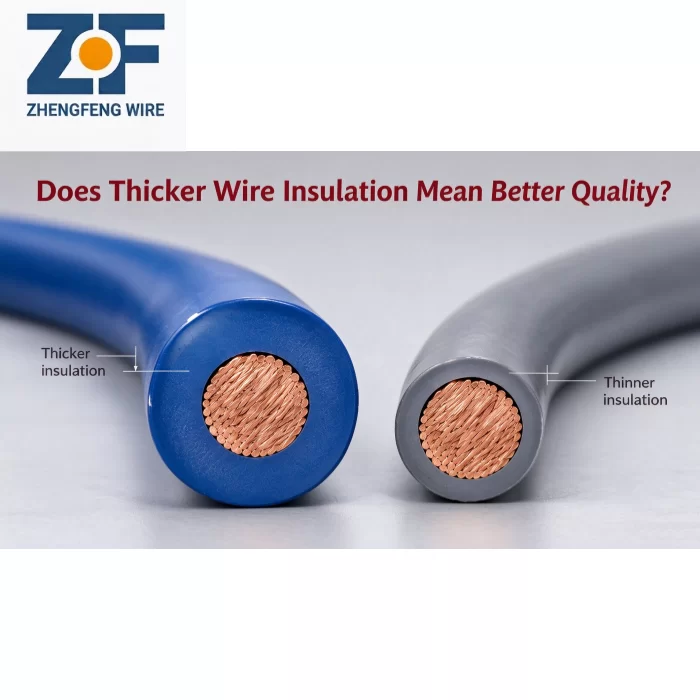
Learn why thicker wire insulation does not always mean better quality. Discover thickness standards, uniformity, safety, and buyer inspection tips.
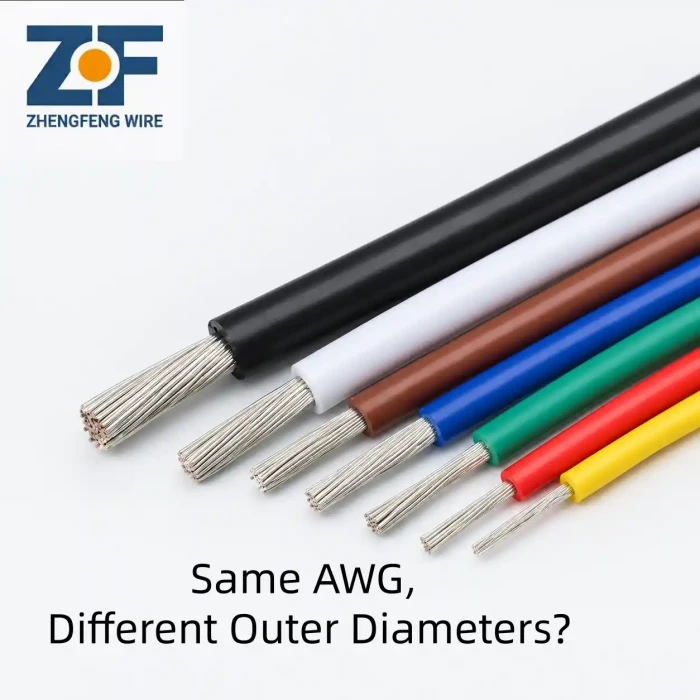
Two wires with the same AWG can have different finished outer diameters because AWG does not describe the complete insulated wire construction.Conductor configuration, insulation thickness, material design, and manufacturing tolerances can all affect the final dimensions. For engineers selecting electronic wire, the most reliable approach is to compare the complete product specifications rather than relying on AWG alone. Before ordering, confirm the conductor construction, insulation requirements, finished outer diameter, and applicable tolerance. These checks help engineers and purchasing teams make better-informed decisions and reduce dimensional uncertainty during product development.
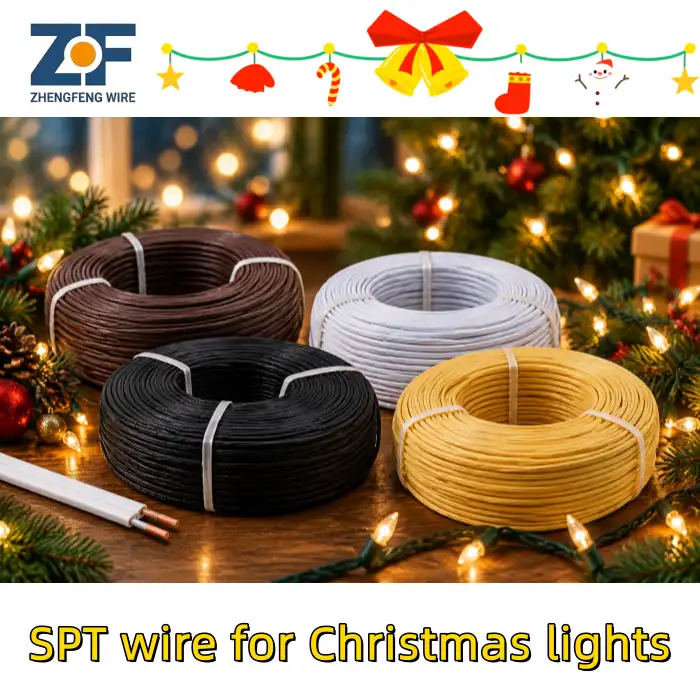
Planning Christmas light production? Learn how to select SPT wire, confirm gauge and electrical ratings, choose custom lengths and colors, arrange packaging, and plan seasonal orders.
Wire and Cable Manufacturer Factory
+86 13829292517
manager01@wire-cablemanufacturer.com
If you need more information, please feel free to contact us.







 11.04.2026
 Zhengfeng